
Vanishing Villages in America
Alaska is warming two to four times faster than the global average, transforming the state’s immutable-seeming landscape into a volatile environment where the ground itself is disappearing.
As Alaska undergoes the thawing of permafrost—the frozen glue that has stabilized the region for millennia—is causing land to collapse, turning it into giant sinkholes and forcing entire Indigenous communities to permanent relocation.

The Devastating Effects of
Climate Change in Western Alaska
Across Western Alaska, climate change is no longer a future concern. It is already reshaping coastlines, destoring infrastructure, disrupting daily life, and putting villages under extreme pressure driven by a disappearing landscape.
The Devastating Effects of
Climate Change in Western Alaska
Across Western Alaska, climate change is no longer a future concern. It is already reshaping coastlines, destoring infrastructure, disrupting daily life, and putting villages under extreme pressure driven by a disappearing landscape.

Social Impact
Climate change and coastal erosion in Western Alaska are creating a major social crisis, not just an environmental one. Storms, flooding, thawing permafrost, and shoreline loss are damaging homes, roads, schools, water systems, fuel tanks, airports, and traditional subsistence areas. As the land disappears, families face constant uncertainty about whether their community can remain safe and livable.
The social impacts include:
-
Housing instability as homes become unsafe or need to be moved.
-
Loss of culture and identity as ancestral lands, burial sites, and traditional gathering areas are threatened.
-
Food insecurity as hunting, fishing, and subsistence access are disrupted.
-
Mental health stress from repeated storms, displacement risk, and fear of losing home.
-
Higher cost of living as repairs, fuel, freight, and emergency response become more expensive.
-
Community disruption when families are forced to relocate or split apart.
-
Strain on local leadership as tribes and cities are forced to manage emergencies with limited resources.
Economical Impact
Climate change and coastal erosion in Western Alaska are creating a severe economic burden on already high-cost rural communities.
The economic impacts include:
-
Damage to homes, roads, airports, ports, fuel tanks, schools, and utilities
-
Rising freight, fuel, construction, and insurance costs
-
Loss of local infrastructure investment as buildings and roads become unsafe or unusable
-
Disruption to fishing, hunting, and subsistence economies
-
Higher emergency response and disaster recovery costs
-
Reduced business confidence because communities face constant storm and erosion risk
-
Need for expensive relocation, site development, and protective infrastructure
-
Loss of household wealth when homes and land can no longer be safely occupied
In short: storms and erosion are turning climate change into a direct economic crisis — destroying infrastructure, increasing the cost of living, weakening local economies, and forcing communities to spend scarce dollars on survival instead of growth.

Current Human Impact of Climate Change in the Region

Hooper Bay, population 1375, a Western Alaska Native village, is facing severe threats from climate change, including intense coastal erosion, thawing permafrost, and flooding from severe storms like 2022's Typhoon Merbok. These changes endanger critical infrastructure, destroy protective dunes, threaten subsistence hunting/fishing, and may eventually force relocation.
Scammon Bay, Population 610 and is heavily impacted by climate change, experiencing severe flooding and erosion that threaten infrastructure, including the local airport. The community is grappling with thawing permafrost and reduced sea ice, which remove natural coastal protections and increase vulnerability to intense storms.
Chevak, population 1100, is facing intensifying climate threats, including rapid land loss from permafrost thaw, accelerating erosion, and increasingly severe flooding. These environmental changes are destabilizing critical infrastructure, such as homes and wastewater systems, while profoundly disrupting the traditional subsistence lifestyles that provide food security and cultural continuity for the community.
Along the coasts of the Bering Sea, entire communities are living with the knowledge that the next storm will take more land, destroy more safety, and push families closer to the edge. Coastal erosion is not theoretical here. The danger is real, it is growing, and for too many people there is simply nowhere safe to run. That is why Paimiut matters.
Paimiut is not just a village site. It is a lifeline. A place of higher ground. A place of shelter. A place where the water cannot simply claim the land, and where families from across the region can find safety without losing their connection to home.
This is a chance to create a refuge for the Bering Sea region — not just for one village, but for all those who may one day need a safe place to go when the coast can no longer protect them. Supporting this effort means stepping into something urgent, human, and lasting: helping save lives, preserve culture, and build higher ground before more is lost.
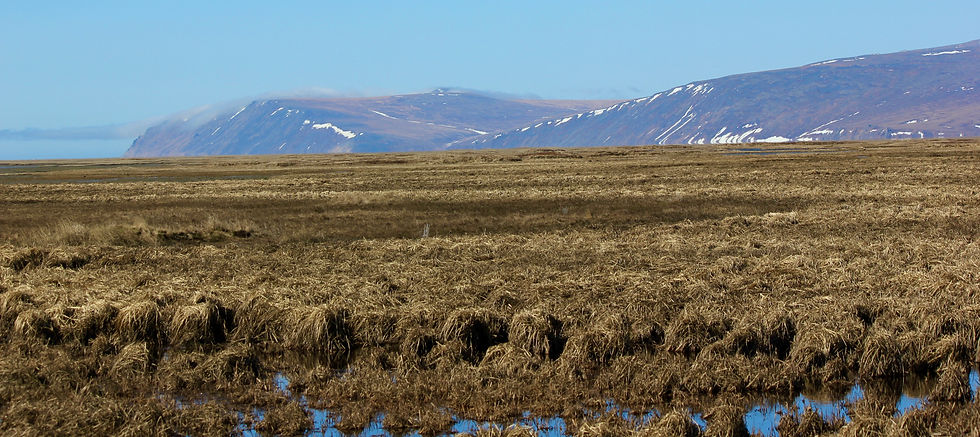
Village of Paimiut - Protected Traditional Land


Ways to Support
Planning
Support critical mapping, readiness, and site-planning activities that prepare the site for phased development in this remote location of Alaska.
Housing
Resilient housing concepts that protect families, anchor communities, and strengthen long-term stability in places facing growing environmental and infrastructure challenges.
Infrastructure
Support utility, access, and regional infrastructure planning needed to create a safe, connected, and buildable foundation for long-term development.


Critical Parternships
This project is beyond concept. We already have key partnerships in place with contractors, freight providers, site-preparation experts, and a barge company capable of supporting delivery into Western Alaska. We are also supported by Alaska Logistics Services, giving the project added operational strength and a credible path from planning to execution and completion.

Project Vision
Paimiut is envisioned as a place of continuity, safety, and long-term possibility for families
facing climate pressure and infrastructure risk in Western Alaska.
Why Paimiut Matters
This effort is about creating room for families, culture, and community stability to continue on stronger ground. It is a forward-looking project grounded in dignity, local priorities, and practical long-range planning.
Support can help strengthen readiness for housing, infrastructure, community coordination, and philanthropic partnership around a brighter future.
What Support
Can Help Advance
-
Village and regional planning
-
Housing and community readiness
-
Infrastructure and utility planning
-
Maps, concepts, and technical support
-
Philanthropic and mission-aligned partnerships
Contact Us
Climate-resilient community development, housing, and
infrastructure support for a brighter rural future.
Tribal Traditional Council of Paimiut
907-561-0304
Paimuit@nvptc.org
